Affordable Roofing and Construction Solutions in the Maryville Area
A Complete Guide to Different Roofing Types and Designs for Any Property
The choice of roof type is essential for any property. Each design presents distinct merits, from cosmetic charm to structural strength. Gabled roofs exude classic charm, while flat roofs provide a current touch. Understanding the details of diverse roofing styles can substantially influence a homeowner's choice. This guide delivers insights into each option, emphasizing their unique qualities and benefits. What might be the optimal choice for your property?
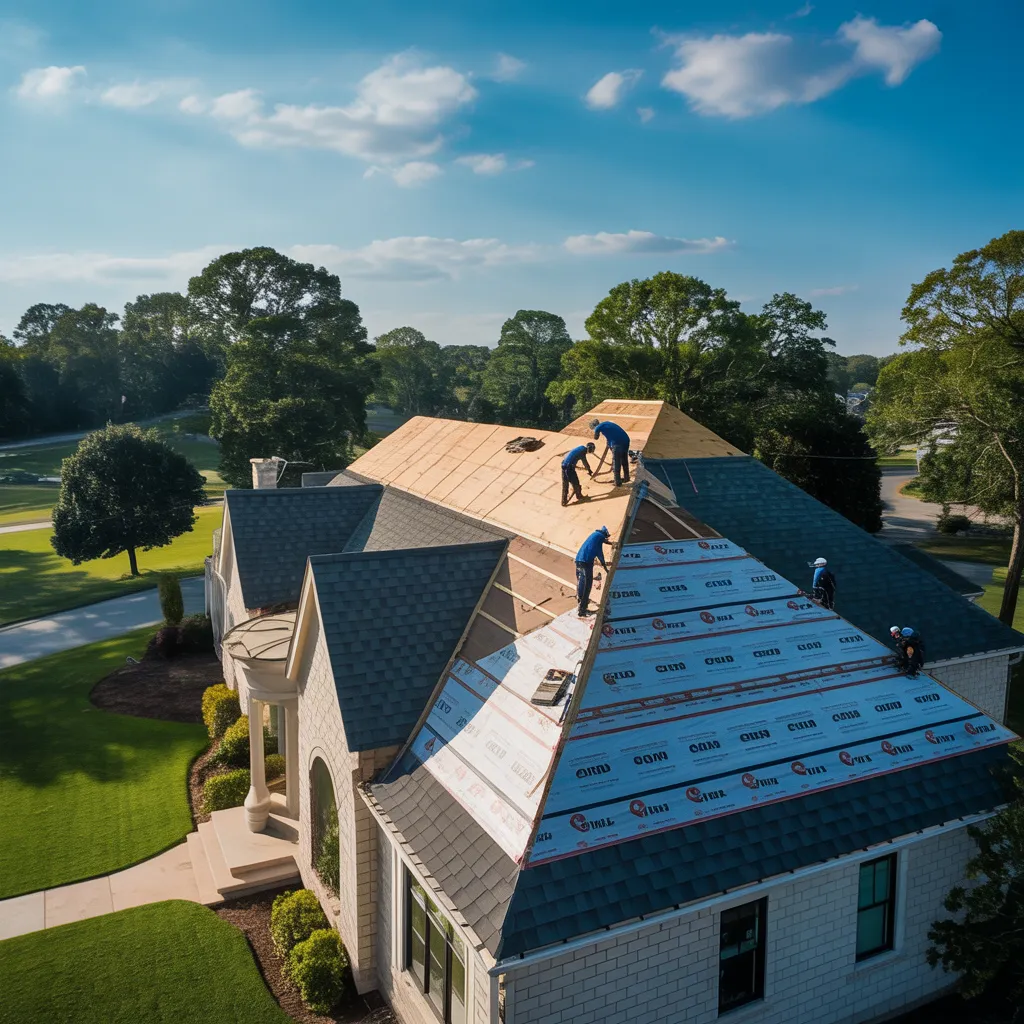
Gable Roofs: Classic Appeal and Versatility
Even though numerous roof styles are available, gabled roofs stand out for their classic appeal and versatility. Marked by their triangular shape produced by two sloping sides, gabled roofs can be observed in countless architectural styles, from traditional cottages to modern homes. This design not only elevates the aesthetic attractiveness of a property but also optimizes ventilation and drainage, efficiently shedding rain and snow.
Gabled roofs are available in various styles, such as front gables, side gables, and cross gables, enabling homeowners to choose a style that complements their design vision. Furthermore, they are fairly simple to construct, which can generate cost savings during the development process. The adaptability of gabled roofs makes them appropriate for different climates, as their steep slopes aid in prevent water accumulation. Overall, gabled roofs remain a popular choice for construction professionals and homeowners seeking a harmonious blend of functionality and timeless elegance.
Flat Roofing: Contemporary Style and Functionality
While many homeowners gravitate towards traditional roof styles, flat roofs offer a modern aesthetic and practical advantages that complement contemporary architecture. These roofs create a sleek, minimalist look that complements urban environments and modern designs. The horizontal plane provides versatile use of space, allowing homeowners to create rooftop gardens, terraces, or additional living areas.
Flat roofs are cost-effective as well, demanding fewer materials and reduced labor during installation when compared with pitched roofs. Their basic structure can result in reduced maintenance costs over time. Additionally, flat roofs facilitate easy access for maintenance and inspections, making them a pragmatic choice for commercial properties.
Nonetheless, it is essential to consider proper drainage options, as flat roofs require reliable waterproofing to eliminate water pooling. With the appropriate materials and design, flat roofs can seamlessly integrate style and functionality, making them an appealing choice for modern structures.
Hip-Style Roofing: Superior Stability with Improved Drainage
Hip roofs, defined by their sloped surfaces that join at the apex, deliver structural stability and superior drainage for residential structures. This design minimizes the view now likelihood of water accumulating on the roof surface, as the sloped surfaces permit precipitation and snow to run off effectively. The even configuration of hip roofs also enhances structural integrity, distributing weight evenly across all four sides, which is highly favorable in locations susceptible to strong winds or significant snow accumulation.
Moreover, hip roofs can provide increased living space with the potential for vaulted ceilings or even attic conversions. Their design can accommodate different roofing materials, offering aesthetic versatility. Overall, hip roofs are a wise choice for homeowners desiring a balance between functionality and style, providing resilience against the elements while boosting the property's overall curb appeal.
Mansard Roofing: Refined Styling Featuring Added Living Space
Mansard roofs are distinguished by their unique double-pitched structure, offering a blend of elegance and functionality. This architectural style not only improves the visual appeal of a building but also offers substantial additional living space within the top floor. Homeowners often value the adaptability and potential for customization that mansard roofs present.
Distinctive Design Features of Mansard
The distinctive silhouette of a mansard roof captures attention with its elegant lines and dual slopes on each side. This architectural approach displays a steep bottom slope that commonly contains dormer windows, generating a remarkable visual impression. The top slope, being more gradual, is usually flat or gently angled, permitting a distinctive silhouette that elevates the building's complete visual appeal. Mansard roofs typically feature an array of materials, encompassing slate, tile, or metal, delivering adaptability in design options. The design allows for increased headroom in the upper floor, making it suitable for various architectural styles, from classical to modern. Overall, the mansard roof exemplifies a blend of functionality and sophisticated design.
Benefits of Additional Space
Numerous property owners value the exceptional benefit that mansard roofs present in maximizing practical room within a structure. This architectural style presents a double-pitched roof, providing extra headroom and the potential for supplementary living areas such as bedrooms, offices, or recreation spaces. The upper level can be effortlessly converted into functional rooms, enhancing property value and versatility. Moreover, the design enables larger windows and greater natural light, creating an inviting atmosphere. Mansard roofs also permit homeowners to maintain a traditional aesthetic while gaining modern benefits, making them particularly appealing for those seeking a blend of elegance and practicality. In summary, these roofs provide both style and functionality, making them a popular choice for various residential properties.
Shed Roofs: Minimalist Design with Maximum Efficiency
Though their simplicity might be overlooked by some, shed roofs provide a unique mix of minimalist design and functional efficiency. Marked by a single sloping surface, these roofs are both simple and aesthetically pleasing, making them a sought-after choice for modern architecture. The clean lines of a shed roof create a contemporary look, often matching various building styles.
In addition to their visual appeal, shed roofs are extremely efficient. Their slope allows for effective rainwater drainage, minimizing the risk of leaks and water accumulation. This design also facilitates the installation of skylights, increasing natural light within the space. Moreover, shed roofs are budget-friendly, as they require fewer materials and labor in comparison to more complex roofing systems.
Domed Roofing: Exceptional Architecture and Energy Efficiency
Dome roofs provide a unique architectural design that distinguishes them from conventional roofing systems, improving the visual attractiveness of any building. Aside from their visual appeal, these roofs are celebrated for their thermal efficiency, as their form facilitates natural air circulation and decreases heat retention. Yet, the installation of dome roofs involves certain structural complexities that demand careful attention during the design process.
Architectural Beauty and Visual Appeal
The allure of dome roofs lies in their distinctive architectural design, which seamlessly blends aesthetic appeal with functional advantages. These roofs create a striking visual impact, often serving as the focal point of various structures. The arched shape conveys an impression of sophistication, enabling artistic innovation in home and business properties alike. Additionally, dome structures integrate well with multiple architectural genres, ranging from conventional to current styles, increasing overall real estate value. The roomy interior generated by the curved structure enables inventive layout choices, nurturing a hospitable ambiance. Additionally, the unique silhouette of dome roofs makes them a popular choice for cultural and public buildings, symbolizing unity and stability while enchanting the imagination of observers.
Benefits of Energy Efficiency
Cutting-edge architectural features often offer added functional advantages, and dome roofs exemplify this by boosting energy efficiency. The rounded shape of dome roofs facilitates superior air circulation, minimizing the reliance on heating and cooling systems. This design minimizes surface area exposed to external elements, resulting in lower energy loss compared to traditional flat or pitched roofs. Furthermore, dome roofs can successfully accommodate insulation materials, further boosting thermal performance. Their ability to reflect sunlight can also minimize heat absorption, keeping interiors cooler during hot months. Moreover, the structural integrity of dome roofs allows for the use of sustainable materials, making them an eco-friendly choice. Overall, dome roofs offer a unique combination of aesthetic appeal and energy-saving advantages for property owners.

Structural Elements and Obstacles
Although dome roofs deliver many energy efficiency perks, they also present unique structural factors and challenges that must be handled during design and construction. The curvature of dome roofs requires careful engineering to distribute weight evenly, which can make more complex the structural framework. Furthermore, materials need to be picked for their ability to withstand various weather conditions, including wind uplift and snow loads. The construction process may call for specialized techniques and skilled labor to assure proper assembly, often raising project costs. Moreover, integrating plumbing, electrical systems, and insulation into the curved surface can pose additional challenges. Overall, a thorough understanding of these factors is essential for achieving the desired aesthetic and functional outcomes in dome roof designs.
Common Questions
How Does Roofing Type Impact Home Insurance Rates?
Different roofing materials greatly influence home insurance premiums, as insurers evaluate risk factors such as durability, fire resistance, and weather performance. Homes with sturdier roofs often enjoy lower rates, while lower-quality materials may lead to higher costs.
What Are the Best Materials for Various Roof Types?
Common roofing materials include shingle roofing made from asphalt for sloped roofs, metal for strength and longevity, clay tiles for aesthetics, and slate for longevity. Each material presents specific advantages, influencing factors including insulation, maintenance, and overall structural integrity.
How Does Weather Influence Roofing Design Choices?
Climate significantly impacts roof design decisions, as areas with heavy snowfall require steep slopes for drainage, while areas with high temperatures may advantage from materials that reflect heat. Humidity also dictates ventilation needs and material longevity.
Can I Change My Roof Type Later?
Yes, changing a roof type later is possible, but it involves careful consideration of structural integrity, local regulations, and cost. It's advisable for homeowners to engage specialists to confirm appropriate installation and conformity with local building standards.
How Long Can You Expect Different Roofs to Last?
Roof lifespans differ considerably: asphalt shingles last 15-30 years, metal roofs can endure 40-70 years, while tile and slate roofs may last up to 100 years, based on environmental conditions and upkeep.